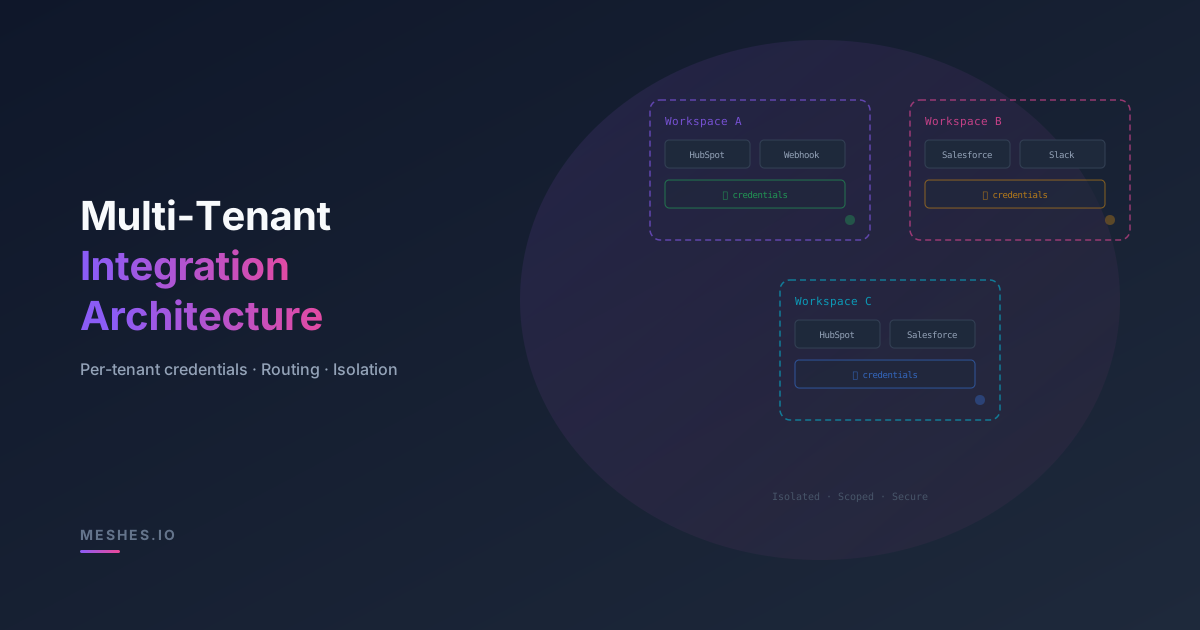
Selling integrations to many customers means managing per-tenant credentials, routing, and failure isolation. This post covers practical patterns for building multi-tenant integration infrastructure that scales.
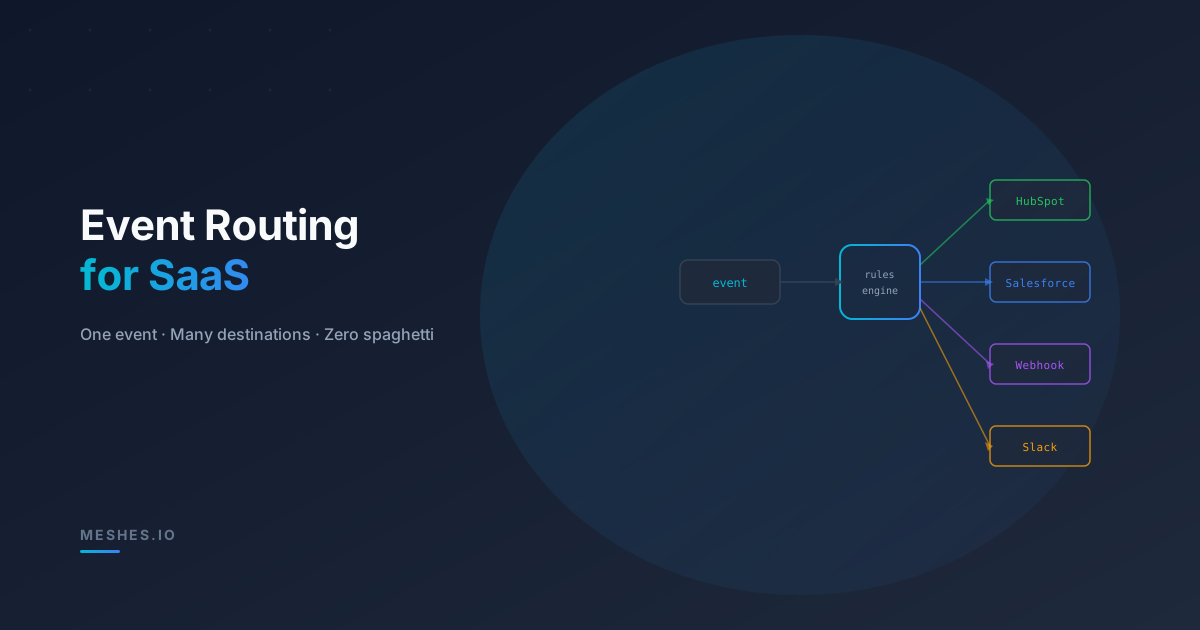
Your app emits events. Your customers need those events in HubSpot, Salesforce, Slack, and a dozen webhooks. Event routing decides which data goes where—without turning your codebase into spaghetti.
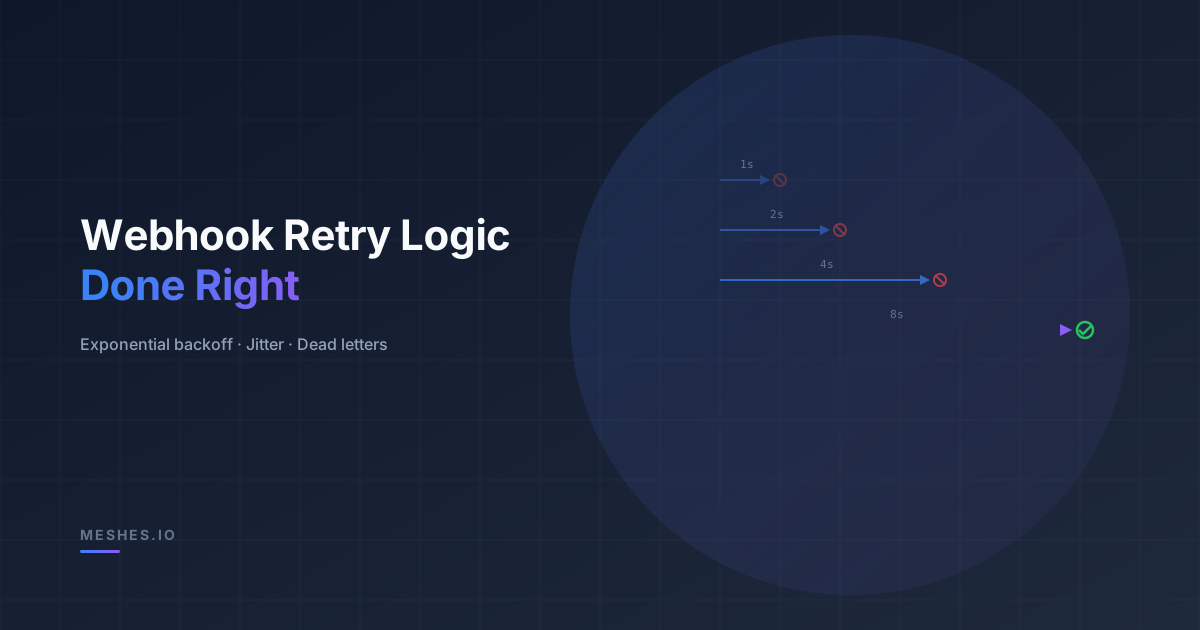
Most webhook retry implementations are either too aggressive or too naive. This post breaks down exponential backoff with jitter, idempotency, and how to stop re-implementing retry logic for every integration.
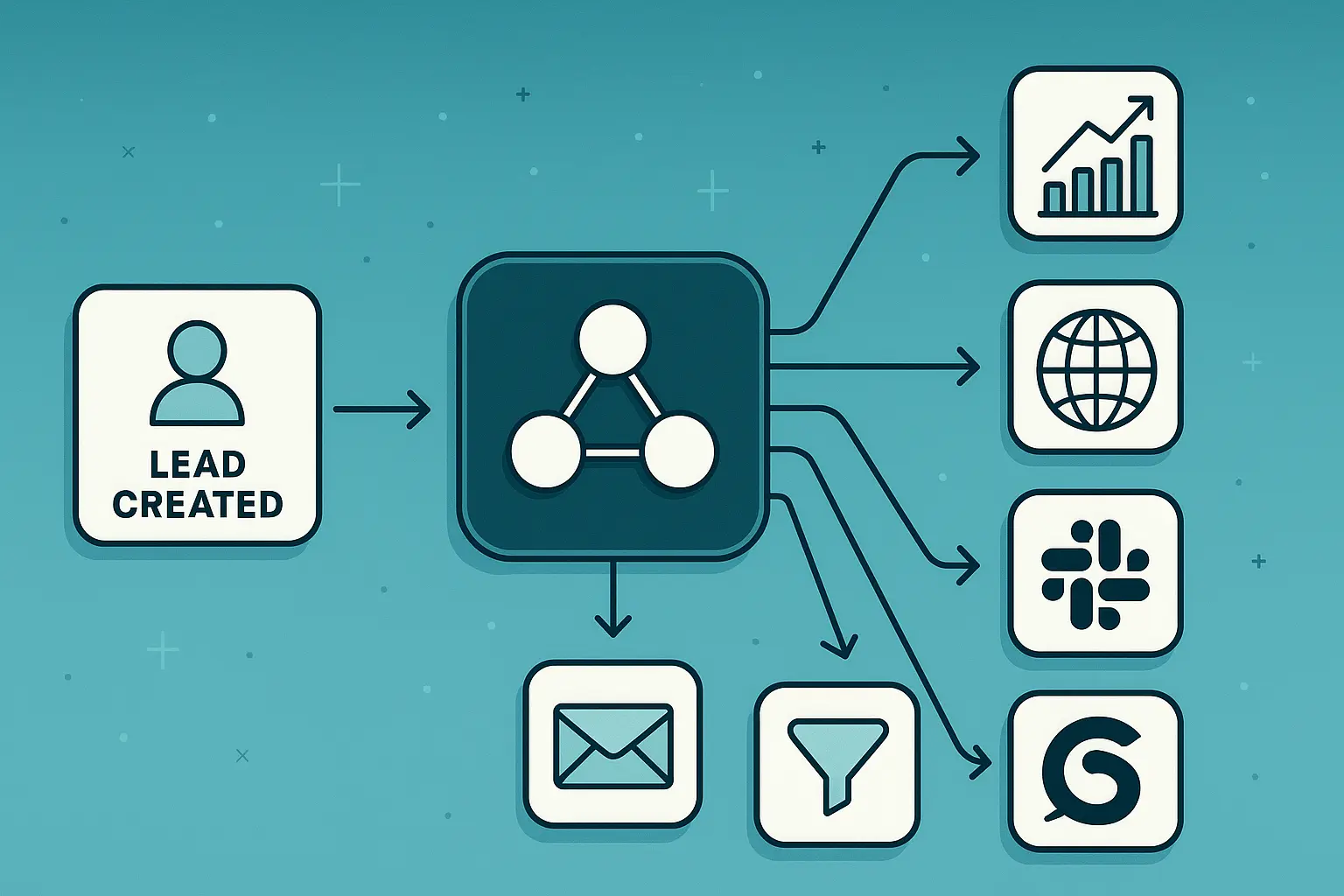
Your product emits one event, but it needs to fan out to CRMs, webhooks, analytics, and internal systems. This post explains fan-out event routing patterns, per-tenant customization, and how to avoid a tangle of ad-hoc integrations.
If you sell integrations to many customers, you need per-tenant credential isolation, scoped routing rules, and workspace-based architecture. This post covers patterns for mapping tenants, environments, and credentials to an integration layer.
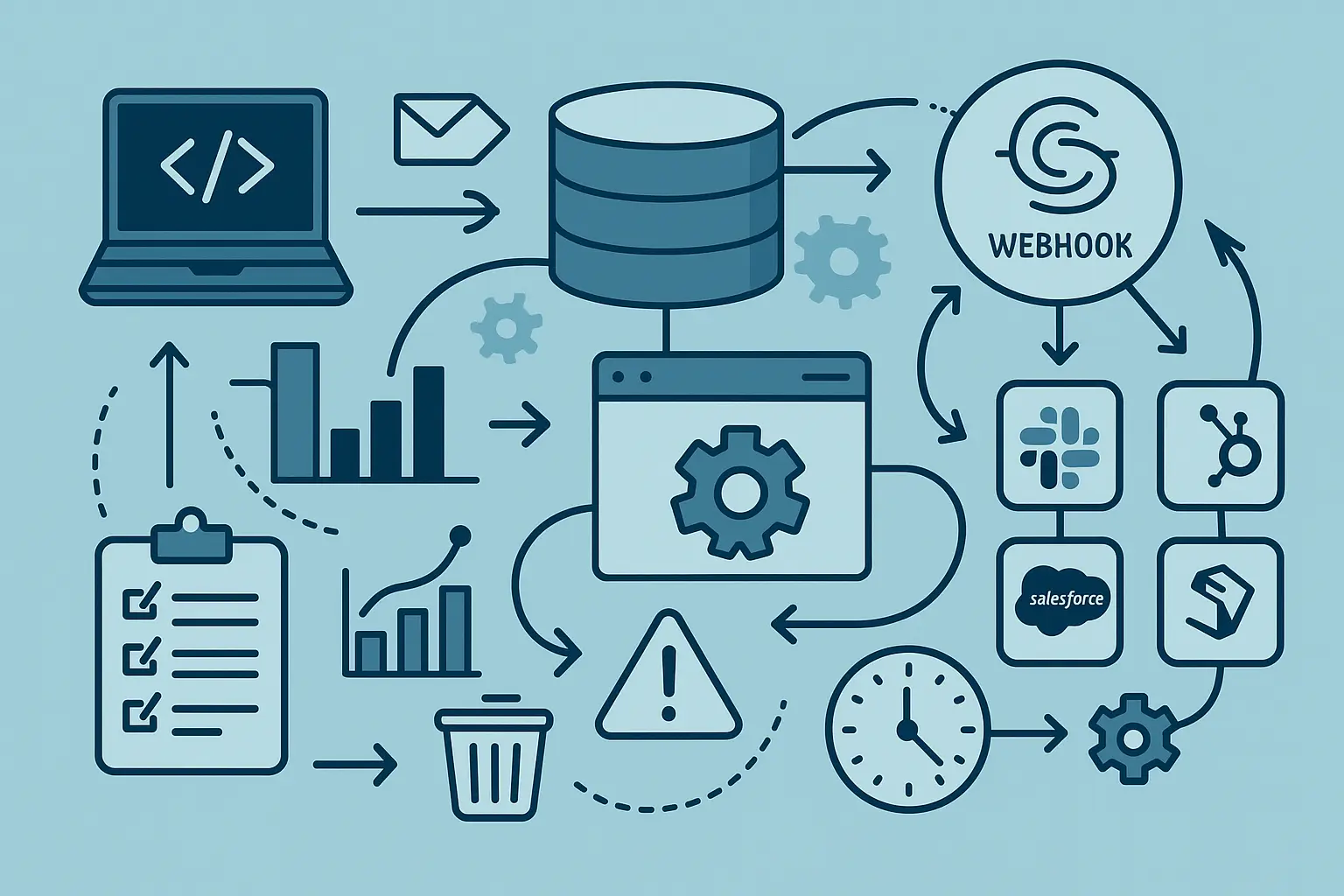
Webhooks and queues start simple but quickly turn into a tangle of retries, dead letters, and one-off integrations. This post walks through webhook retry logic, dead letter queues, and how a universal integration layer replaces hand-rolled webhook infrastructure.