Blog Archive: March 2026
Integration engineering posts published in March 2026, covering SaaS integrations, event routing, retries, OAuth, and delivery reliability.
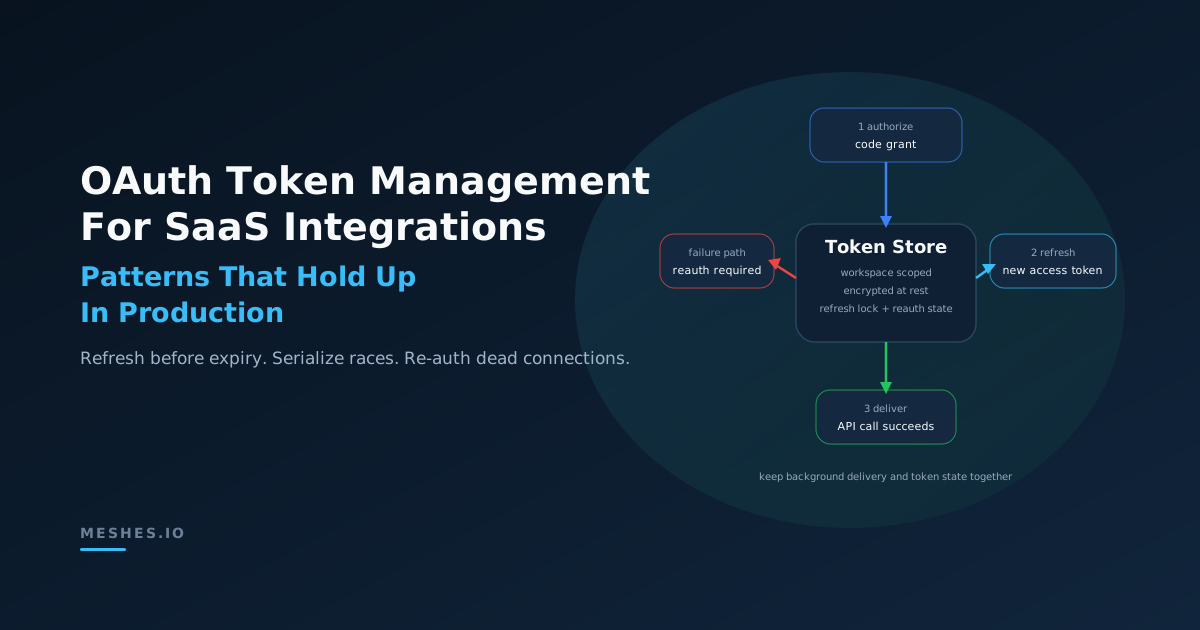
OAuth tokens do not fail on schedule. They expire during jobs, race during refresh, and get revoked without warning. Reliable SaaS integrations need a token lifecycle strategy.
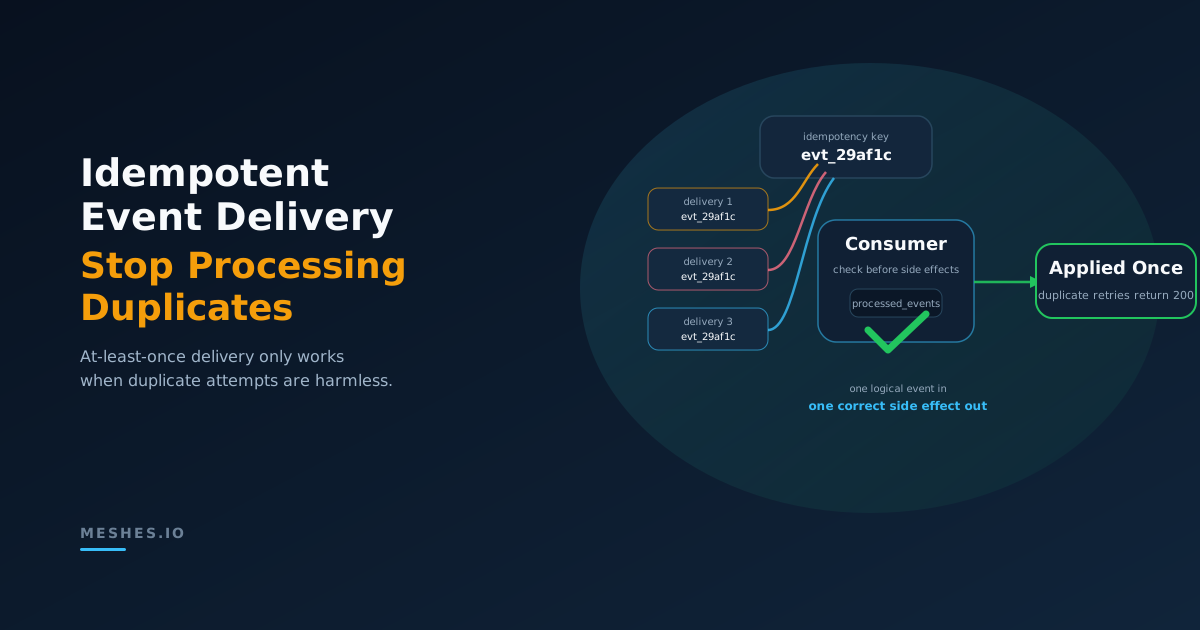
Duplicate webhook delivery is normal. Build idempotent handlers with Node.js and Python, enforce deduplication in Postgres, and verify concurrency is safe.
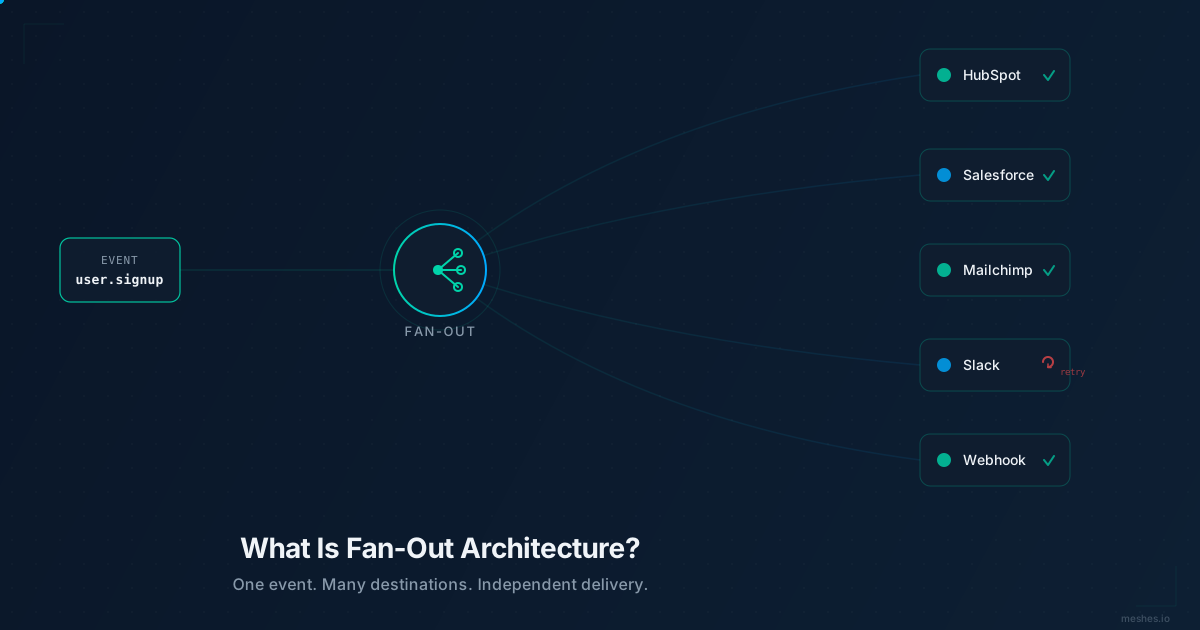
One event in, many deliveries out — each with its own retries and failure isolation. A practical guide to fan-out architecture for SaaS integration teams.
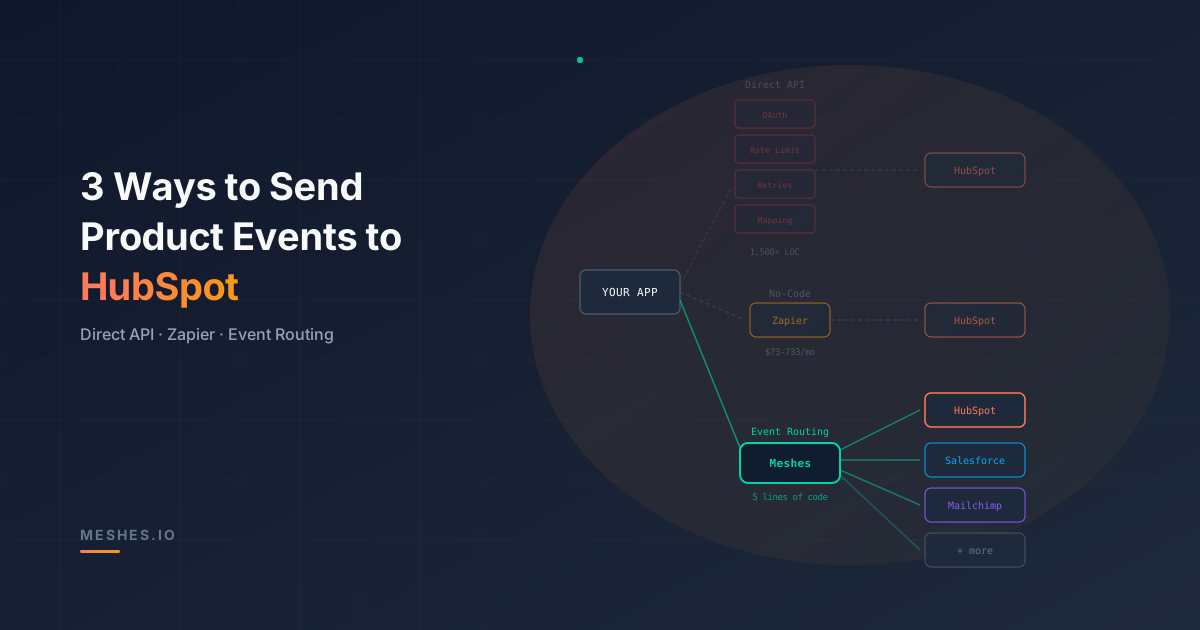
Direct API calls, Zapier workflows, and Meshes take different approaches to HubSpot integrations. For SaaS products with customer-connected accounts, Meshes provides workspace-scoped routing, field mappings, retries, and delivery history.
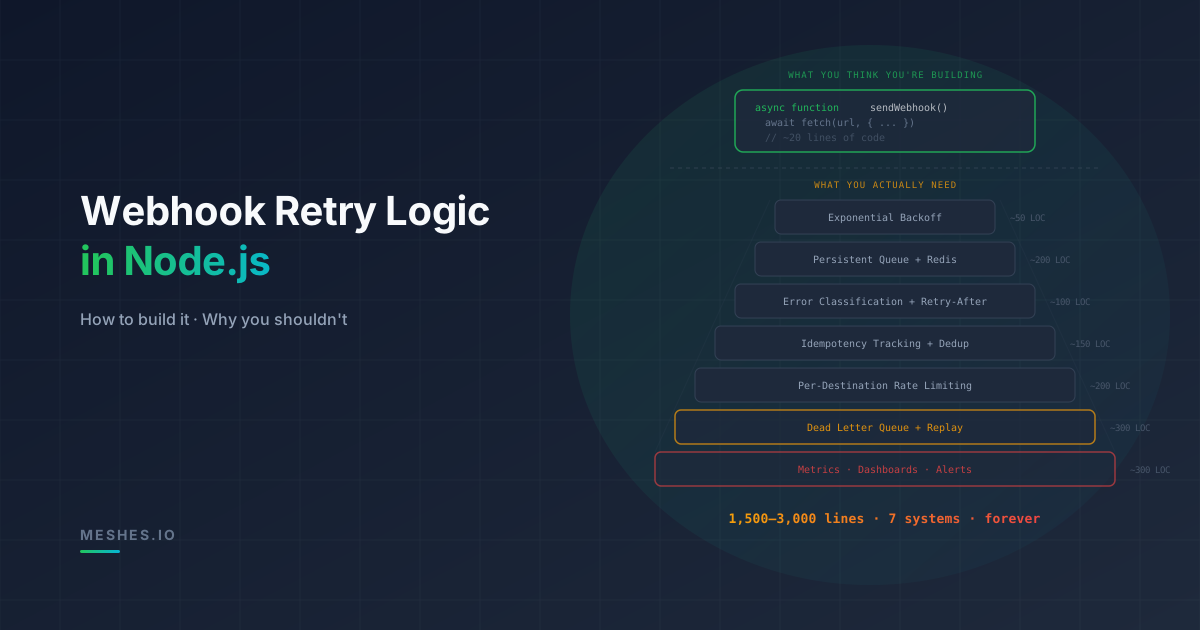
A first-pass webhook retry loop breaks in production for predictable reasons. Node.js examples show where backoff, jitter, idempotency, rate limits, and dead letters come in, and how Meshes handles delivery automatically.